Cremona and the Amati tradition
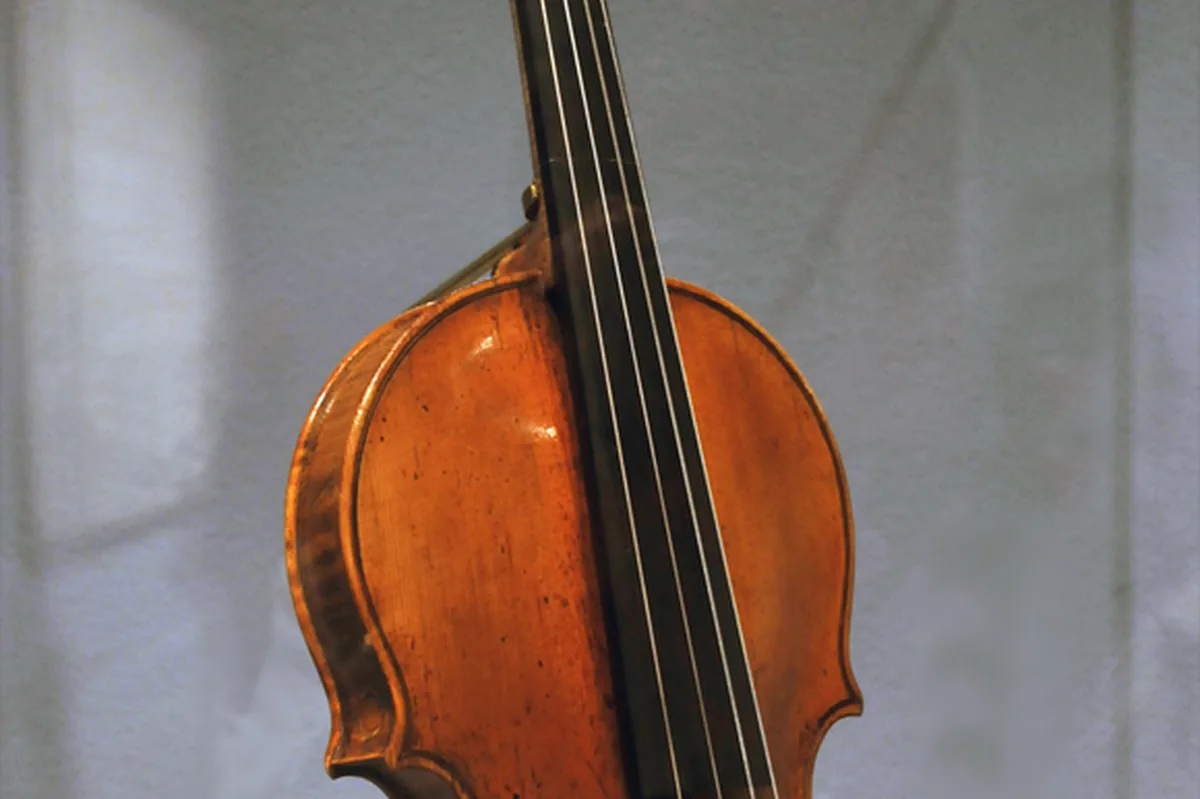
Cremona, a city in the Lombardy region of northern Italy, became the epicenter of classical violin making during the sixteenth and seventeenth centuries. The craft's foundations were laid by the Amati family, beginning with Andrea Amati in the sixteenth century. Andrea's innovations and techniques were transmitted through generations, notably to his grandson Nicolò Amati, whose workshop became a training ground for aspiring craftsmen. This family-centered transmission of knowledge established the standards and methods that would define the Cremonese tradition for centuries to come.
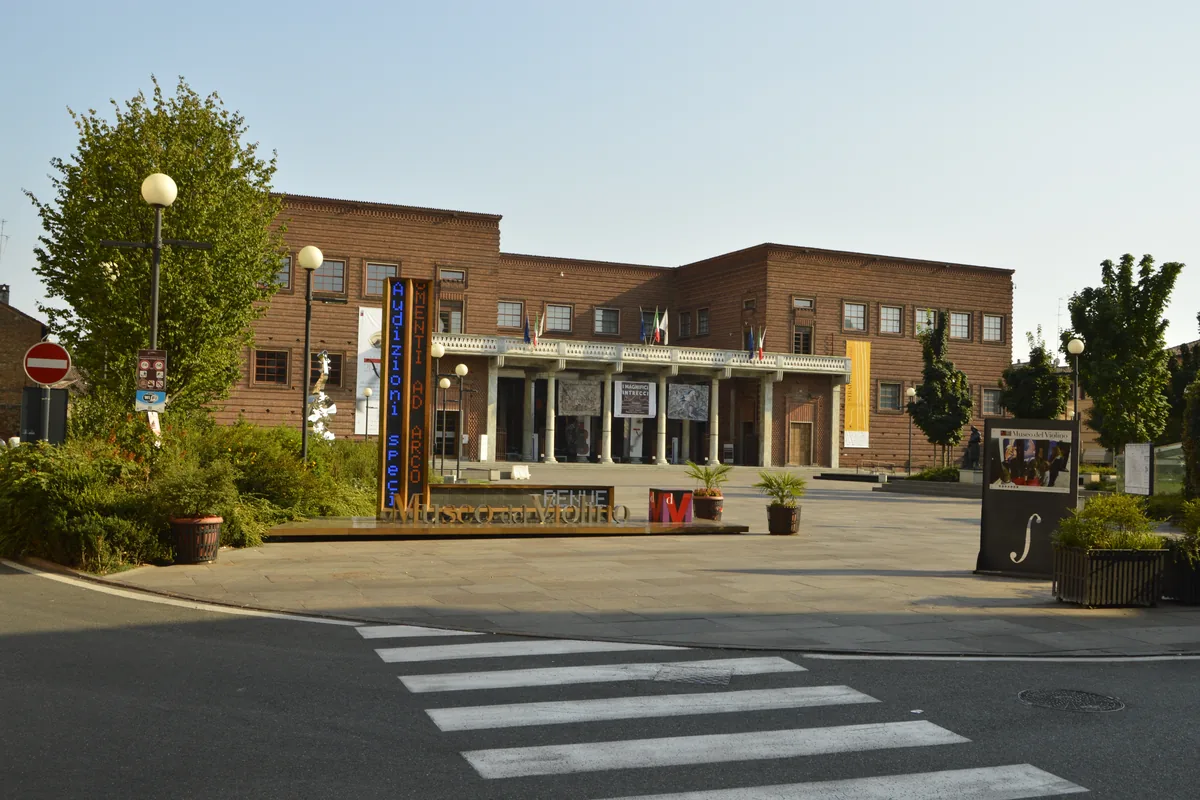
Antonio Stradivari is widely believed to have acquired his formative training within or near the orbit of Nicolò Amati's workshop, absorbing the principles and practices that shaped his later work. Parallel to the Amati legacy, another prominent Cremonese family, the Guarneri, developed their own line of master makers. Giuseppe Guarneri, known as "del Gesù," emerged as Stradivari's most celebrated rival, and the two craftsmen came to represent the zenith of violin-making achievement in the eyes of musicians and collectors alike.
The workshops of Cremona—principally those of the Amati, Stradivari, and Guarneri families—collectively produced instruments that remain unmatched in the estimation of the violin world. These makers set the technical and aesthetic standards against which all subsequent violin construction is measured. Their shared provenance in a single city during a concentrated historical period contributed to the emergence of an unmistakable school of craftsmanship whose influence endures to the present day.
Sources: The Metropolitan Museum of Art — musical instruments collection; Smithsonian — National Music Museum / NMAH string instruments; W. Henry Hill, Arthur F. Hill & Alfred E. Hill — 'Antonio Stradivari: His Life and Work (1644–1737)'. Educational information only — not financial, investment, or appraisal advice. See our sources & fact-check policy.
Frequently asked questions
Place — cremona and the amati tradition?
Cremona, Lombardy, northern Italy
Founders — cremona and the amati tradition?
Andrea Amati (16th c.), Nicolò Amati (17th c.)
Stradivari's link — cremona and the amati tradition?
Trained in or near the Amati tradition
More in Antonio Stradivari
Explore the famous instruments
Compare the Messiah, Lady Blunt, Soil, Hammer and more side by side — type, year, period, value, and where they are today.
Compare Stradivari instruments →