Andrea Amati, founder of the Cremonese school
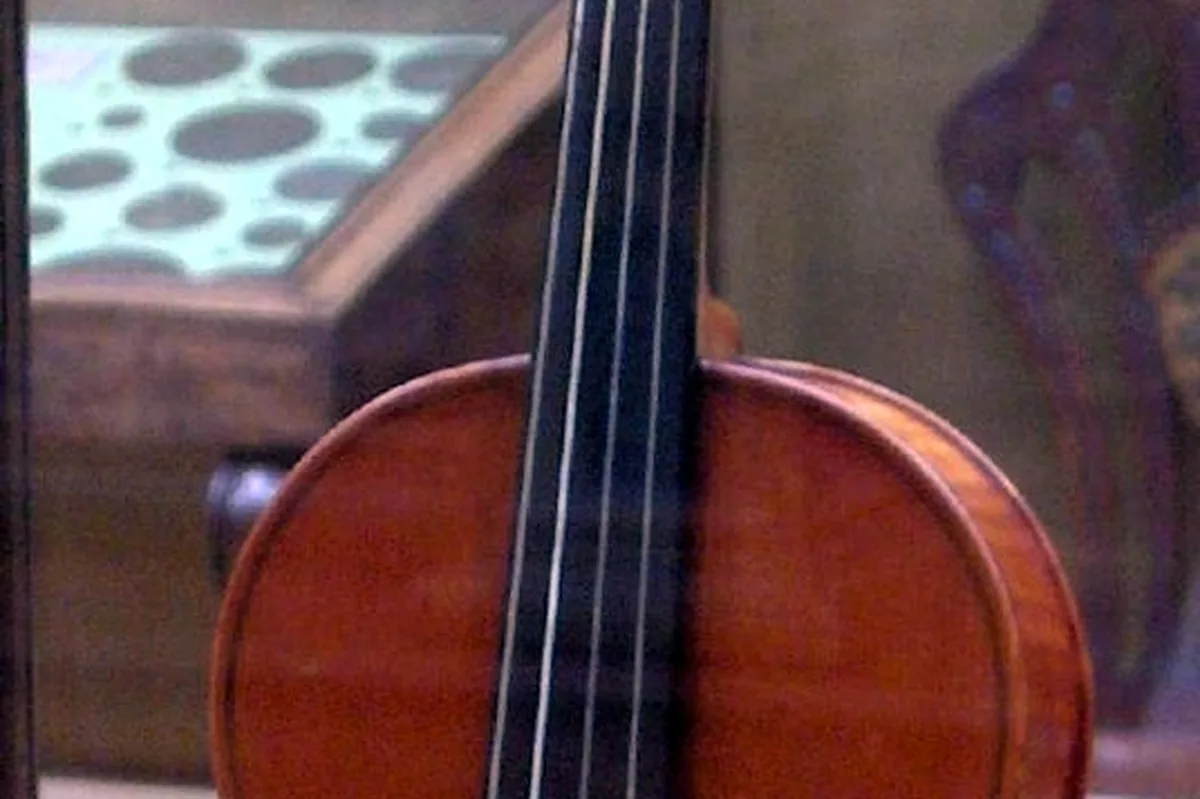
Andrea Amati (c. 1505–1577) was a Cremonese instrument maker widely recognized as the founder of the violin in its modern, four-stringed form. Working in Cremona, Italy, during the 16th century, Amati established the workshop practices and design principles that defined the Cremonese school of violin making. His innovations in construction, proportions, and acoustic properties created a template that subsequent generations of makers—including his own descendants and later masters such as Stradivari and Guarneri—would refine and build upon for centuries to come.
Among Amati's most historically significant surviving instruments are those commissioned for the French royal court. These violins bear painted decoration and rank among the oldest violins in existence. Many are preserved in major museums, where they remain accessible to scholars and the public. The survival of even a small number of these instruments is remarkable given their age and the fragile nature of stringed instruments across five centuries.
The historical importance of Andrea Amati's work cannot be overstated. Because so few of his violins survive and because they represent the very origin point of the modern violin family, each example constitutes a primary document of musical instrument history. Every masterpiece of the Cremonese tradition—from the Amati family workshop through Stradivari and Guarneri—traces its lineage directly to the foundational designs and methods Amati established.
Sources: Tarisio — Cozio Archive of stringed instruments; Library of Congress — Stradivari instruments / Whittall Collection; W. Henry Hill, Arthur F. Hill & Alfred E. Hill — 'Antonio Stradivari: His Life and Work (1644–1737)'; The Metropolitan Museum of Art — musical instruments collection. Educational information only — not financial, investment, or appraisal advice. See our sources & fact-check policy.
Frequently asked questions
What is the andrea amati Stradivarius?
It is a Stradivari luthier (maker) made in c. 1505-1577 (16th-century cremona). Credited with creating the violin in its modern form.
How much is the andrea amati worth?
Reported value/sale: His surviving instruments are exceptionally rare and historically priceless. This is market history, not an appraisal or investment advice.
Where is the andrea amati Stradivarius now?
Worked in Cremona, Italy.
Why is it called the andrea amati?
—.
More in Antonio Stradivari
Compare the famous instruments
See type, year, period, value and current location side by side.
Compare Stradivari instruments →