The Cremonese school of violin making
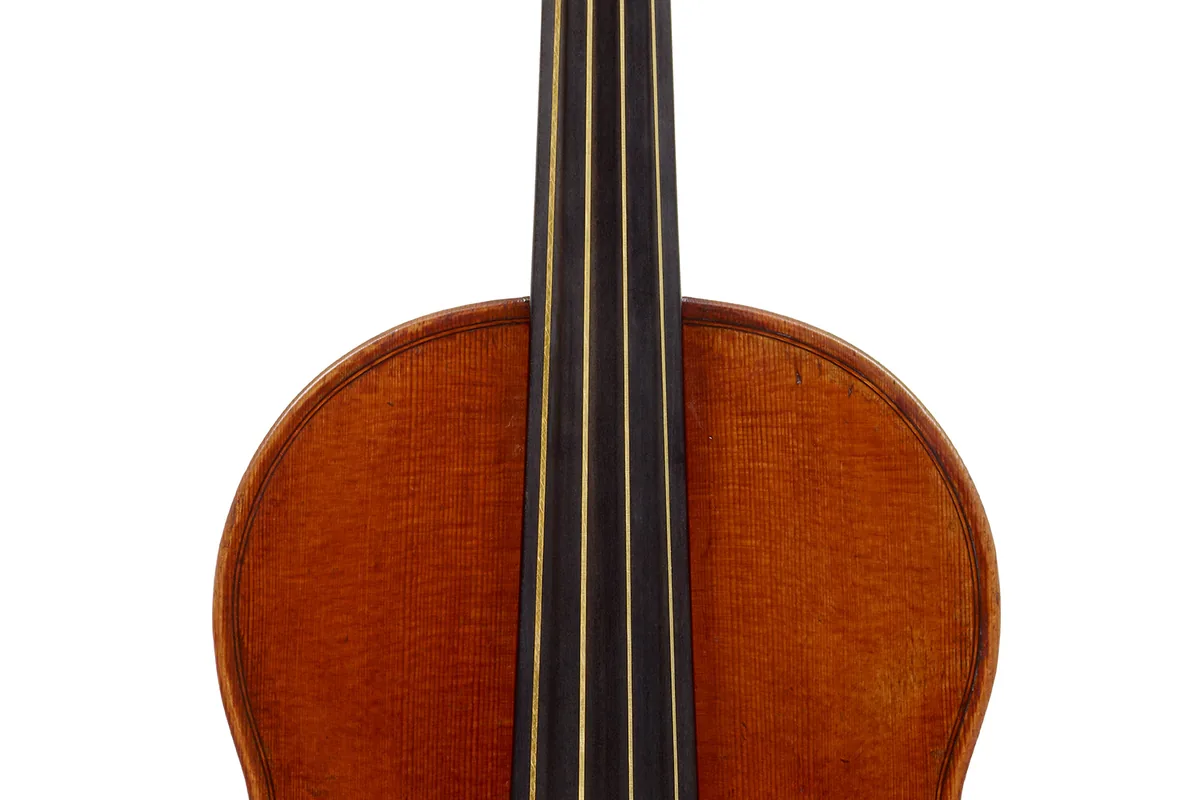
Cremona, a city in northern Italy, became the centre of the most celebrated tradition of violin making in history. Beginning in the sixteenth century with the Amati family, the Cremonese school established the fundamental forms and methods that would define the modern violin. Over the following two centuries, successive generations of makers refined their craft through workshop apprenticeships, embedding a systematic approach to design and construction that distinguished their instruments from those made elsewhere in Europe.
The Cremonese school reached its artistic and technical peak during the seventeenth and eighteenth centuries with two masters whose work remains preeminent: Antonio Stradivari and Giuseppe Guarneri 'del Gesù'. Their violins are still considered unmatched in sound quality and craftsmanship, and they continue to command both scholarly attention and use by professional musicians worldwide. The precise reasons these instruments achieve their distinctive acoustic properties remain an active area of research among scientists and instrument makers.
The knowledge and methods of the Cremonese tradition were transmitted through generations of family workshops and formal apprenticeships, creating a continuous lineage of makers working within shared principles. Though the school's classical period ended centuries ago, Cremona retains its association with fine violin making and remains a symbolic centre of the craft, reflecting the enduring legacy of the tradition established by its founding families.
Sources: Tarisio — Cozio Archive of stringed instruments; Library of Congress — Stradivari instruments / Whittall Collection; W. Henry Hill, Arthur F. Hill & Alfred E. Hill — 'Antonio Stradivari: His Life and Work (1644–1737)'; The Metropolitan Museum of Art — musical instruments collection. Educational information only — not financial, investment, or appraisal advice. See our sources & fact-check policy.
Frequently asked questions
What is the cremonese violin making Stradivarius?
It is a Stradivari tradition (place & craft) made in 16th-18th centuries (golden age of the amati, stradivari, and guarneri workshops). The lineage from Amati through Stradivari and Guarneri del Gesù.
How much is the cremonese violin making worth?
Reported value/sale: The instruments of this school are the most prized of all. This is market history, not an appraisal or investment advice.
Where is the cremonese violin making Stradivarius now?
Cremona, in the Lombardy region of northern Italy.
Why is it called the cremonese violin making?
The city of Cremona, where the tradition flourished.
More in Antonio Stradivari
Compare the famous instruments
See type, year, period, value and current location side by side.
Compare Stradivari instruments →