How to identify a Stradivarius (and spot a copy)
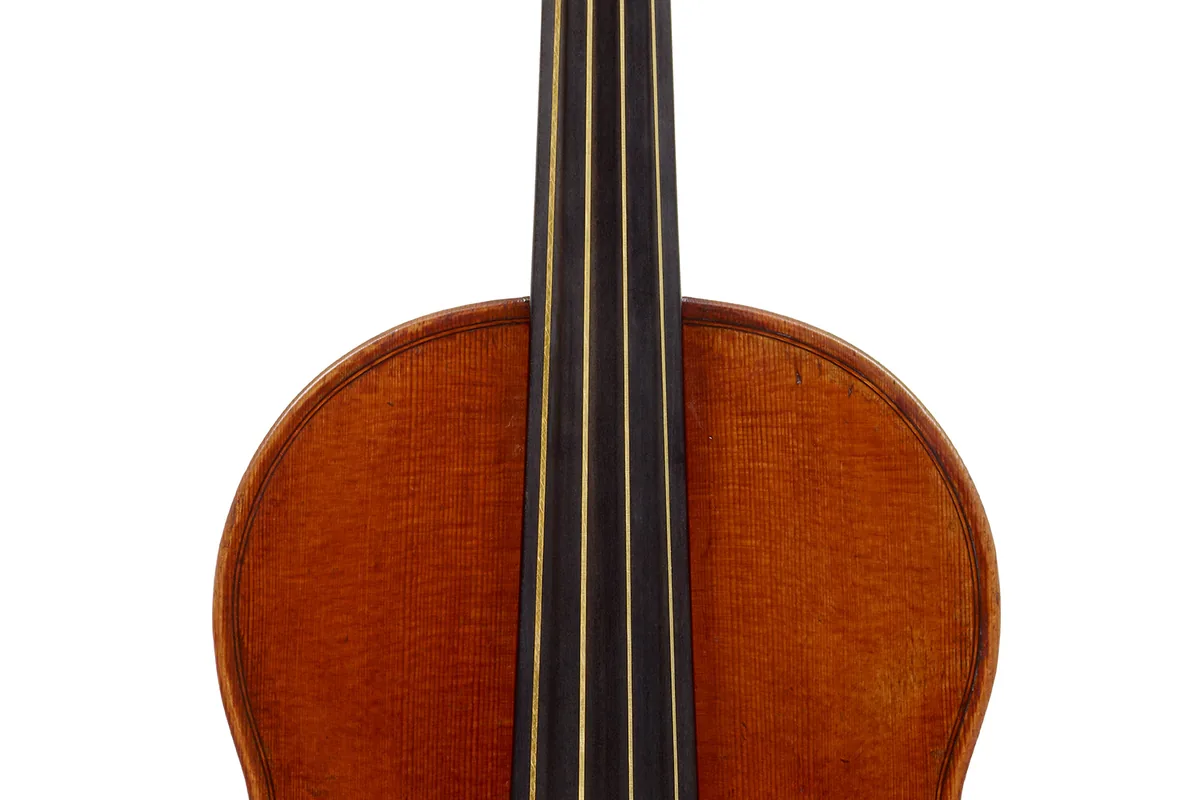
The presence of a printed label inside a violin reading "Antonius Stradivarius Cremonensis Faciebat Anno…" is often mistaken as definitive proof of authenticity. In reality, this label represents one of the most common sources of confusion in violin identification. Beginning in the 19th century and continuing for over a century afterward, manufacturers of factory and trade instruments copied this exact inscription onto countless violins intended for mass production and commercial sale. Today, the vast majority of violins bearing this label are copies rather than genuine instruments made by the master craftsman himself.
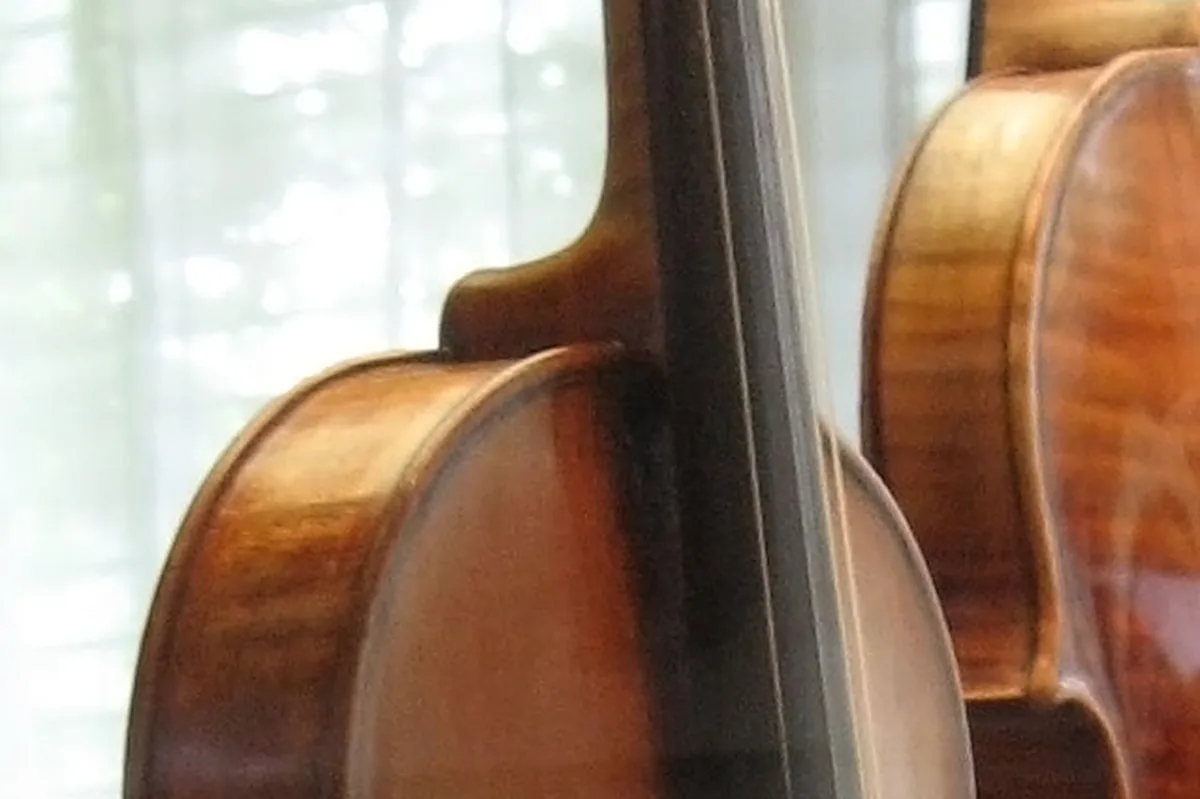
Authentic attribution of a Stradivarius requires expert examination conducted by recognized specialists and dealers trained in the field. These professionals assess multiple dimensions of the instrument: the model type, the quality and origin of the wood, the composition and aging of the varnish, the precision and technique of the construction, and critically, the documented provenance of the instrument. Specialist databases such as the Cozio and Tarisio archives maintain records of known authentic instruments and their histories. Scientific methods including dendrochronology—the analysis of tree rings to determine when wood was harvested—provide additional evidentiary support for authentication.
Owners who believe they possess a Stradivarius should have the violin evaluated by a recognized authority before taking any action. The instrument should not be altered, refinished, or modified in any way prior to professional assessment, as such changes can obscure or destroy evidence crucial to authentication. Until a qualified expert confirms otherwise, the default assumption should be that a violin with a Stradivarius label is a later copy.
Sources: Tarisio — Cozio Archive of stringed instruments; Smithsonian — National Music Museum / NMAH string instruments; The Metropolitan Museum of Art — musical instruments collection. Educational information only — not financial, investment, or appraisal advice. See our sources & fact-check policy.
Frequently asked questions
The label — how to identify a stradivarius (and spot a copy)?
A 'Stradivarius' label usually means a COPY, not a genuine
Who can authenticate — how to identify a stradivarius (and spot a copy)?
Specialist dealers / recognised experts only
What they examine — how to identify a stradivarius (and spot a copy)?
Model, wood, varnish, workmanship, provenance
More in Stradivarius violins
Explore the famous instruments
Compare the Messiah, Lady Blunt, Soil, Hammer and more side by side — type, year, period, value, and where they are today.
Compare Stradivari instruments →