Nicolò Amati, master luthier of Cremona
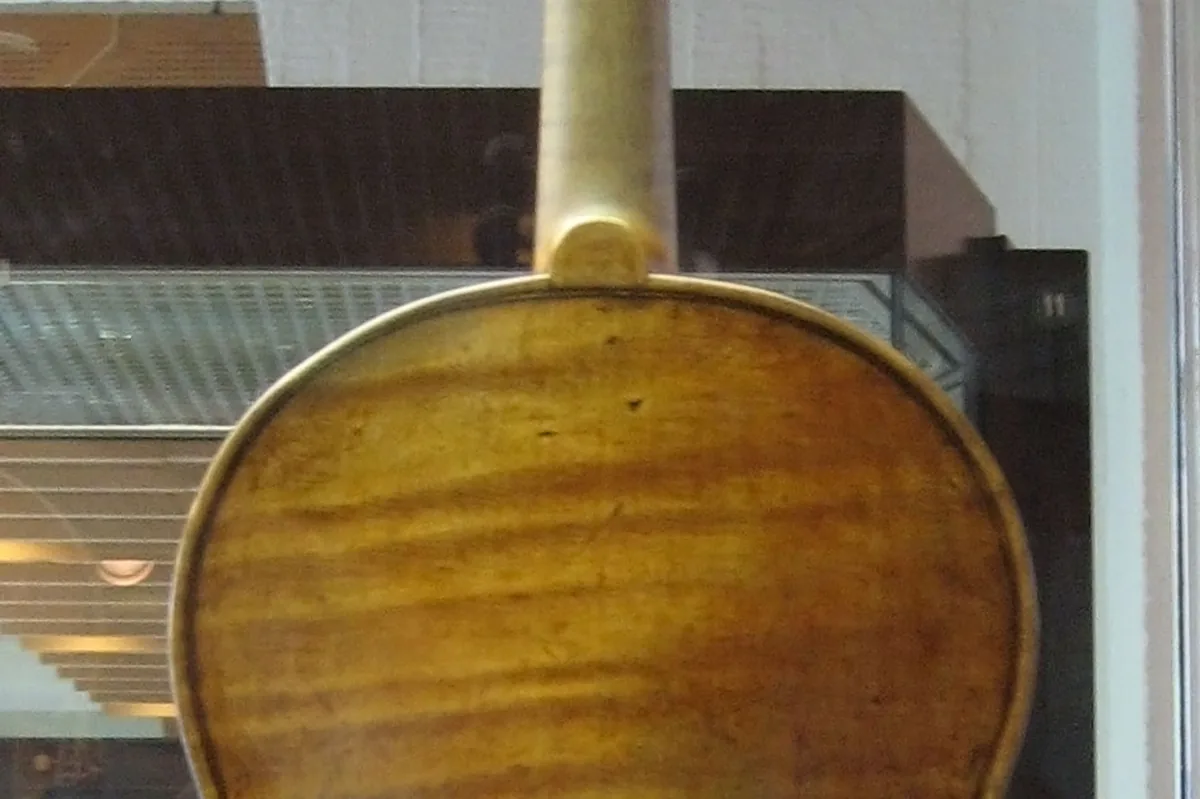
Nicolò Amati (1596–1684) stands as the most celebrated craftsman in the Amati dynasty, the legendary Cremonese family that established the foundations of European violin making in the 16th and 17th centuries. Working throughout the 17th century, Nicolò inherited and refined the distinctive Amati pattern, becoming known for creating the "Grand Amati" instruments—violins of increased size and acoustic power that marked a significant evolution in design. His innovations in construction and tonal quality elevated the family workshop's reputation and set standards that would influence makers across Europe for generations.
Beyond his own output as a master luthier, Nicolò Amati gained renown as a teacher whose workshop became a training ground for skilled craftsmen. The extent of his pedagogical influence remains partly subject to historical debate; while later accounts sometimes credit Antonio Stradivari as a student of Nicolò's workshop, documentary evidence for such direct apprenticeship remains contested among scholars. Regardless, Nicolò's role in transmitting and advancing violin-making technique was substantial enough to shape the craft during a transformative period.
Nicolò Amati's instruments are valued among collectors and musicians as works of exceptional craftsmanship. His historical significance lies in his position as a bridge between the early achievements of the founding Amati generation and the subsequent golden age of makers such as Stradivari and Guarneri del Gesù, making him central to the narrative of classical violin making.
Sources: Tarisio — Cozio Archive of stringed instruments; Library of Congress — Stradivari instruments / Whittall Collection; W. Henry Hill, Arthur F. Hill & Alfred E. Hill — 'Antonio Stradivari: His Life and Work (1644–1737)'; The Metropolitan Museum of Art — musical instruments collection. Educational information only — not financial, investment, or appraisal advice. See our sources & fact-check policy.
Frequently asked questions
What is the nicolò amati Stradivarius?
It is a Stradivari luthier (maker) made in 1596-1684 (mid-17th-century cremona). The great Amati teacher whose pupils may have included Stradivari.
How much is the nicolò amati worth?
Reported value/sale: His instruments are esteemed and command high prices. This is market history, not an appraisal or investment advice.
Where is the nicolò amati Stradivarius now?
Worked in Cremona, Italy.
Why is it called the nicolò amati?
—.
More in Antonio Stradivari
Compare the famous instruments
See type, year, period, value and current location side by side.
Compare Stradivari instruments →