Caring for and insuring fine violins
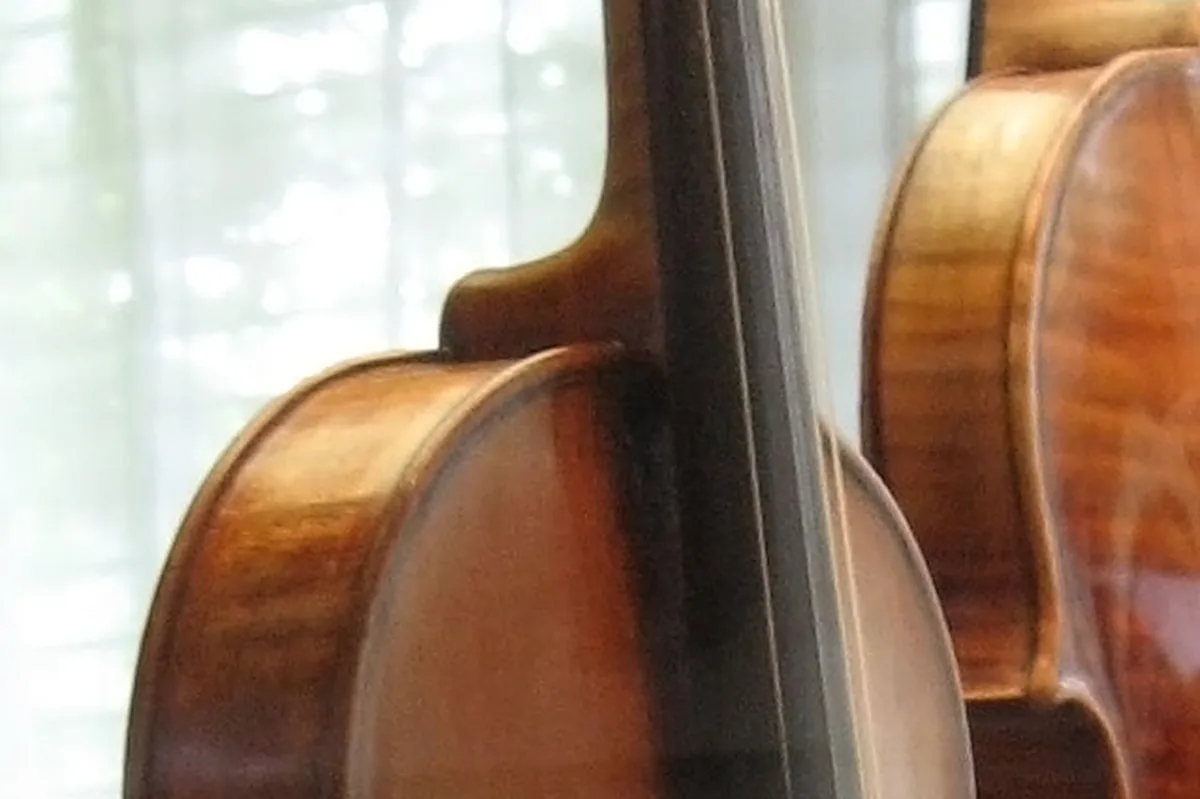
Fine violins, particularly antique instruments crafted centuries ago, demand careful environmental stewardship to preserve their structural integrity and tonal qualities. The wood from which these instruments are made—typically spruce for the top plate and maple for the back and sides—remains sensitive to fluctuations in humidity and temperature long after construction. Sudden shifts in these conditions can cause the delicate seams to open or the thin top plate to crack, resulting in costly repairs and potential loss of acoustic properties. Most custodians maintain a stable humidity level between 40 and 60 percent, as this range minimizes wood movement and reduces stress on joints.
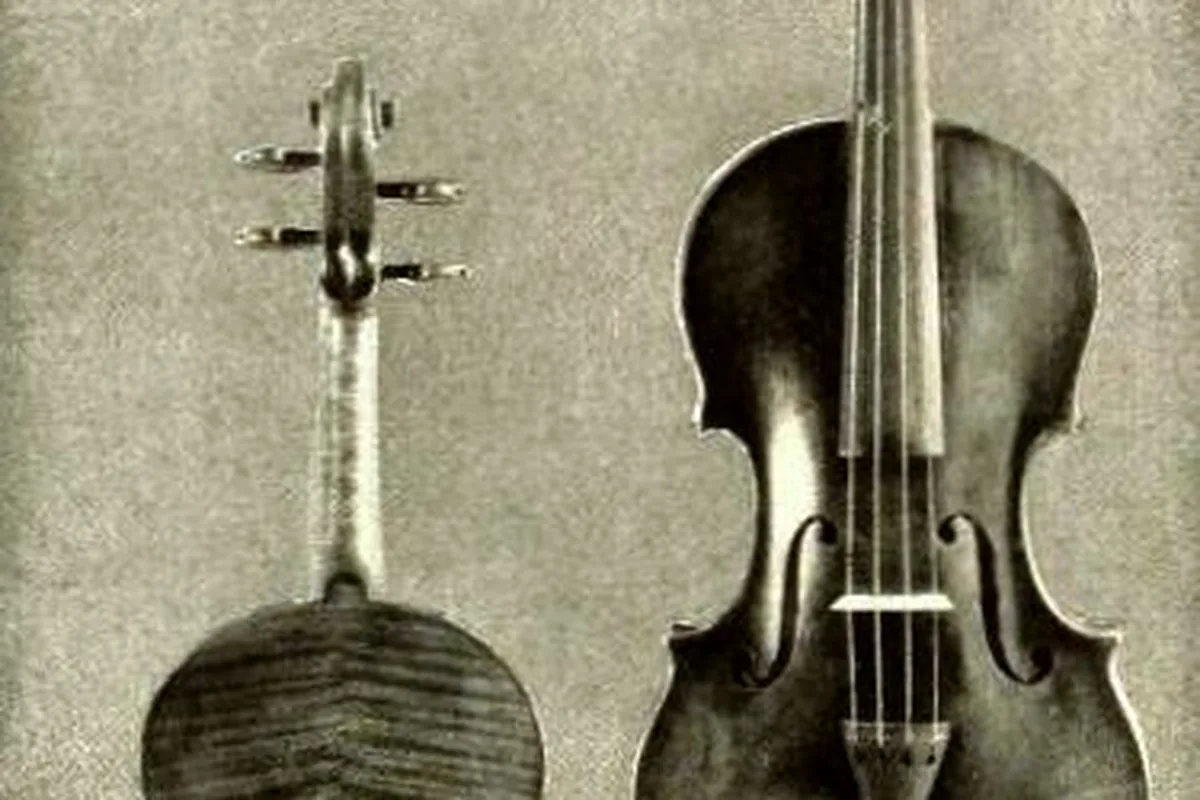
Storage and handling practices form the foundation of responsible instrument care. A violin should reside in a well-made case, positioned away from direct sunlight, heat sources, and damp environments. Regular seasonal checks by a qualified luthier—a craftsperson specializing in stringed instrument repair and maintenance—help identify emerging issues before they become structural problems. The luthier typically performs setup adjustments, bridge work, and any necessary repairs while documenting the instrument's condition over time.
Owners of high-value antique violins typically secure specialist musical-instrument insurance that establishes an agreed value, protecting against loss or significant damage. Maintaining thorough provenance records and condition documentation strengthens both insurance claims and the instrument's market standing. These practices—environmental control, expert maintenance, appropriate storage, and comprehensive coverage—work together to safeguard fine violins for future generations. However, conservation decisions and insurance selections should always be made in consultation with qualified luthiers and specialist insurers familiar with the specific instrument in question.
Sources: Smithsonian — National Music Museum / NMAH string instruments; The Metropolitan Museum of Art — musical instruments collection. Educational information only — not financial, investment, or appraisal advice. See our sources & fact-check policy.
Frequently asked questions
Humidity — caring for and insuring fine violins?
Commonly kept around 40–60%, stable
Biggest risk — caring for and insuring fine violins?
Sudden humidity/temperature swings → cracks, open seams
Care — caring for and insuring fine violins?
A trusted luthier; quality case; away from heat & sun
More in Famous instruments & value
All famous instruments & value →
Explore the famous instruments
Compare the Messiah, Lady Blunt, Soil, Hammer and more side by side — type, year, period, value, and where they are today.
Compare Stradivari instruments →