Dendrochronology in violin dating
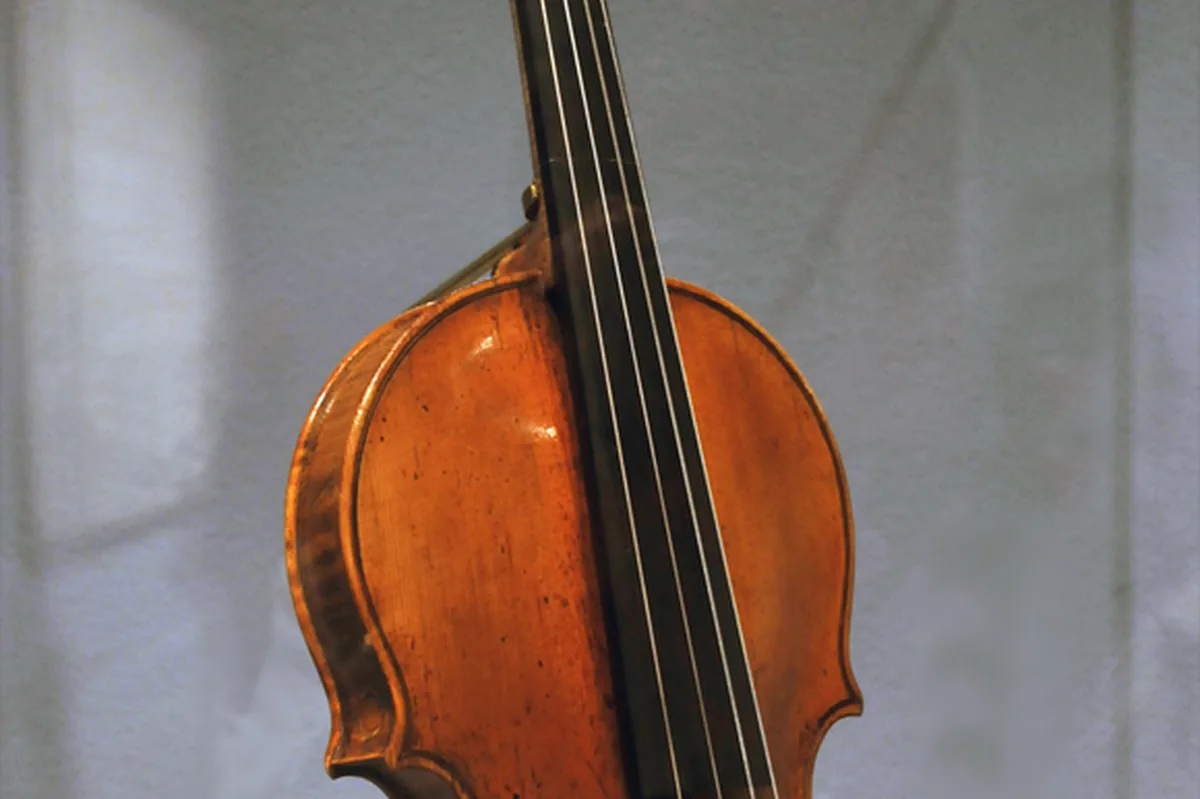
Dendrochronology, the science of dating wood by analyzing its growth rings, has become an essential tool in the study and authentication of fine violins. By measuring the spacing of annual rings in a violin's spruce top and comparing the resulting pattern against established reference chronologies, researchers can determine the year in which the youngest ring formed. This establishes the earliest possible date at which the instrument could have been constructed, since the wood must have been felled after that final ring grew. The technique is particularly valuable for violins attributed to renowned makers such as Antonio Stradivari, where objective evidence strengthens historical claims.
Dendrochronological analysis serves two critical functions in violin authentication. It can confirm that the wood is sufficiently old to support a claimed date of manufacture, or conversely, it can expose a violin as constructed from wood too recent to be genuine—a finding that would immediately disqualify false attributions. The method is not without limitations: it reveals only when the wood grew, not the identity of the craftsman who worked it. Consequently, dendrochronology cannot alone prove a violin's maker.
For this reason, dendrochronological evidence works in concert with traditional connoisseurship, which examines construction details, varnish, sound characteristics, and historical documentation. Together, these approaches provide a more complete picture of an instrument's origins and authenticity than either method alone could achieve.
Sources: Tarisio — Cozio Archive of stringed instruments; Library of Congress — Stradivari instruments / Whittall Collection; The Metropolitan Museum of Art — musical instruments collection. Educational information only — not financial, investment, or appraisal advice. See our sources & fact-check policy.
Frequently asked questions
What is the dendrochronology in violin dating Stradivarius?
It is a Stradivari topic (collecting) made in — (—). Dating spruce tops by matching their tree-ring patterns.
How much is the dendrochronology in violin dating worth?
Reported value/sale: A scientific check that supports or challenges attributions. This is market history, not an appraisal or investment advice.
Where is the dendrochronology in violin dating Stradivarius now?
Specialist laboratories.
Why is it called the dendrochronology in violin dating?
From the Greek for tree-ring study.
More in Famous instruments & value
All famous instruments & value →
Compare the famous instruments
See type, year, period, value and current location side by side.
Compare Stradivari instruments →