The 'Little Ice Age' wood-density theory
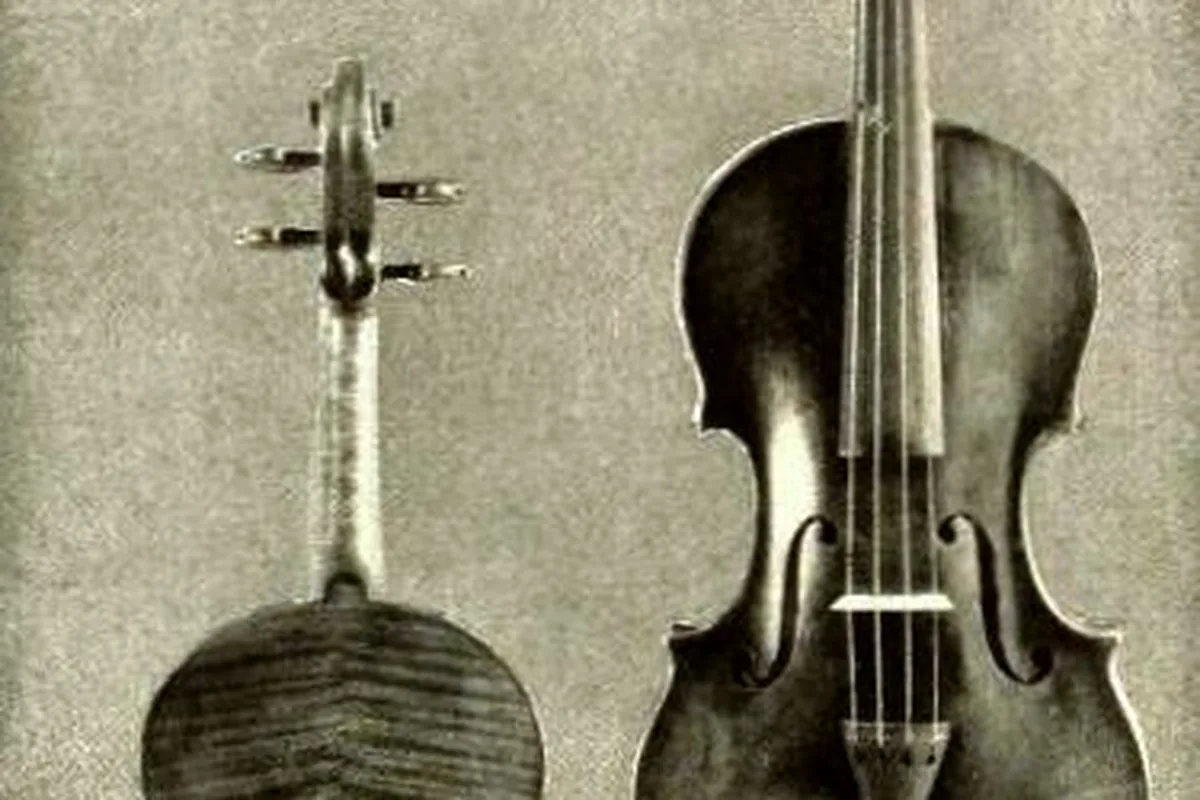
The 'Little Ice Age' wood-density theory attempts to explain the acoustic excellence of Antonio Stradivari's instruments by linking their sound to climate history. The hypothesis holds that a period of unusually cool European weather spanning roughly the late 1600s created conditions for slow, even tree growth. This prolonged, measured development of spruce trees would have produced wood with notably dense and uniform grain structure, the theory proposes. Researchers studying tree rings have suggested that this climate pattern may have shaped the supply of raw material available to Stradivari during what many consider his most productive and successful period.
The theory carries considerable appeal because it grounds the superiority of Cremonese violins in an environmental circumstance that cannot be artificially reproduced or replicated. If the Little Ice Age did indeed yield wood with unique acoustic properties, it would explain why modern luthiers cannot easily match the sound of the great master's surviving instruments. However, the theory remains far from proven. Competing scientific views and expert analysis have raised significant questions about the strength of the evidence linking climate to sound quality.
Other experts contend that craftsmanship, varnish composition, and instrument design bear greater responsibility for the distinctive sound of Stradivari violins than any climatic factor. The theory represents one among several competing explanations for the Cremonese sound, and the scholarly consensus has not crystallized around it. The question of whether climate, materials, technique, or a combination of factors produced these legendary instruments remains an open debate in acoustics research and violin scholarship.
Sources: Tarisio — Cozio Archive of stringed instruments; Library of Congress — Stradivari instruments / Whittall Collection; The Metropolitan Museum of Art — musical instruments collection. Educational information only — not financial, investment, or appraisal advice. See our sources & fact-check policy.
Frequently asked questions
What is the the 'little ice age' wood theory Stradivarius?
It is a Stradivari topic (collecting) made in — (climatic period c. 1645-1715). A theory linking dense, even-grained wood to a cool climate.
How much is the the 'little ice age' wood theory worth?
Reported value/sale: An intriguing but unproven explanation for the great violins' tone. This is market history, not an appraisal or investment advice.
Where is the the 'little ice age' wood theory Stradivarius now?
Alpine forests of northern Italy.
Why is it called the the 'little ice age' wood theory?
The 'Little Ice Age', a period of cooler European climate.
More in Famous instruments & value
All famous instruments & value →
Compare the famous instruments
See type, year, period, value and current location side by side.
Compare Stradivari instruments →